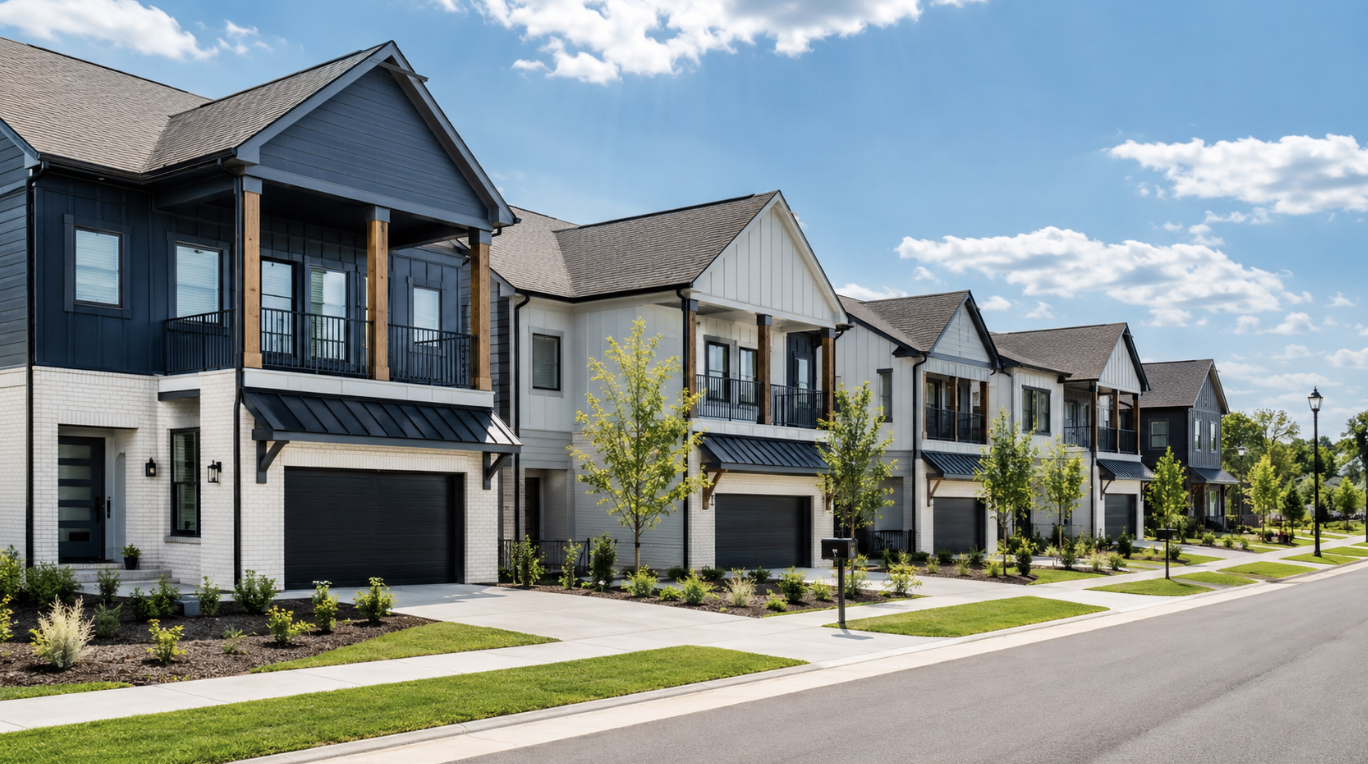


For some investors, house hacking means buying a duplex and renting out the second unit. For others, it means renting out extra bedrooms, finishing a basement apartment, adding an accessory dwelling unit, or turning part of the property into a short-term rental where local rules allow it.
The goal is simple: use your home as both a place to live and a wealth-building asset.
This guide explains what house hacking is, how it works, common strategies, potential risks, insurance needs, and what first-time real estate investors should know before getting started.
How House Hacking Works
House hacking works by combining personal housing with rental income.
In a traditional home purchase, the owner pays the full cost of the property. In a house hack, the owner still lives in the property, but tenants or guests help pay part of the ownership cost.
The basic formula is:
Monthly Housing Cost After House Hacking = Total Monthly Property Cost − Rental Income
For example:
Without the tenant, the owner pays $3,175 per month. With the tenant, the owner pays $1,575 per month.
House hacking does not guarantee profit, but it can reduce personal housing costs and help the owner build equity.
House Hacking vs. Traditional Rental Investing
House hacking and traditional rental investing both involve rental income, but they work differently.
Pros of House Hacking
1. Lower Personal Housing Costs
The biggest benefit of house hacking is that rental income can help reduce your monthly housing payment.
Even if tenants do not cover the full mortgage, partial rent can make homeownership more affordable.
2. Easier Entry Into Real Estate Investing
House hacking can help beginners get into real estate without immediately buying a separate rental property.
Because you live in the property, some owner-occupied loan programs may be available, depending on borrower qualifications and property type.
3. Equity Growth
As you pay down the mortgage, you build equity. If the property appreciates over time, your net worth may also increase.
4. Landlord Experience
House hacking teaches real landlord skills while the property is nearby.
You can learn how to screen tenants, handle maintenance, collect rent, and understand operating costs before scaling into more rentals.
5. Potential Tax Benefits
Rental expenses tied to the rented portion of the property may be deductible, depending on your situation. These may include certain repairs, insurance, utilities, depreciation, mortgage interest, and other eligible costs.
Tax rules can be complex, so investors should work with a qualified tax professional.
6. Future Rental Portfolio Potential
Many investors house hack one property, move out later, keep it as a rental, and repeat the process with another property when eligible.
This approach can help build a rental portfolio over time.
Cons of House Hacking
1. Less Privacy
House hacking often means sharing walls, outdoor spaces, driveways, laundry areas, or even kitchens.
Rent-by-the-room house hacking offers the least privacy. Duplex or ADU house hacking usually offers more separation.
2. Tenant Issues Close to Home
When you live near tenants, problems can feel more personal.
You may deal with:
- Late rent
- Noise complaints
- Parking disputes
- Maintenance requests
- Guest issues
- Pet concerns
- Shared-space disagreements
Clear leases and house rules are important.
3. Financing Rules Can Be Strict
Owner-occupied financing often comes with occupancy requirements. Investors should understand lender rules before buying.
If you plan to move out and rent the entire property later, confirm how that affects your mortgage, insurance, and future financing plans.
4. Insurance Can Be More Complicated
House hacking creates a mixed-use exposure because the property is both your home and a rental.
A standard homeowners policy may not be enough if part of the property is rented. Depending on the setup, you may need a homeowners endorsement, landlord insurance, short-term rental coverage, or another policy structure.
5. Local Rules May Limit Your Strategy
Zoning, HOA rules, rental permits, occupancy limits, ADU regulations, and short-term rental laws can affect whether a house hack is legal.
Always verify local rules before relying on rental income.
6. Repairs Still Cost Money
Tenants can help cover housing costs, but the owner remains responsible for repairs and maintenance.
A house hack should include reserves for:
- Plumbing issues
- HVAC repairs
- Appliances
- Roof problems
- Pest control
- Turnover costs
- Safety updates
Protect Your House Hack with Obie
House hacking turns your home into an income-producing property, which means your insurance needs may change.
Obie helps real estate investors find insurance built for rental properties, from single-family rentals to small multifamily portfolios. Whether you are renting out a unit, converting your former home into a rental, or growing your first portfolio, the right coverage can help protect your property, liability exposure, and rental income.
Get a personalized landlord insurance quote with Obie and make sure your house hacking strategy is protected from the start.
FAQs
Can house hacking make you live for free?
Sometimes, but not always. Rental income may cover the full housing cost in strong deals, but many house hacks simply reduce the owner’s monthly payment.
Do you need landlord insurance for house hacking?
You may need landlord insurance or a rental endorsement, depending on how the property is used. Renting out part of your home changes the insurance risk, so you should review coverage before accepting tenants.
Does homeowners insurance cover house hacking?
A standard homeowners policy may not fully cover rental activity. The correct coverage depends on whether you rent a room, separate unit, ADU, short-term rental, or the entire property after moving out.
Can I use an FHA loan for house hacking?
Eligible buyers may be able to use FHA financing for certain owner-occupied one- to four-unit properties. Borrowers must follow occupancy and loan program requirements.
Is house hacking legal?
House hacking is legal when the rental setup complies with local laws, zoning, permits, occupancy rules, HOA restrictions, and lease requirements. Always verify rules before renting part of a property.
What is the best house hacking strategy?
The best strategy depends on your market, budget, and privacy needs. Duplex or ADU house hacking often provides more separation, while rent-by-the-room strategies may generate more income but require more shared living.