

Winter is when rental properties generate their most expensive claims: frozen pipes, space heater fires, and slip-and-fall lawsuits all peak in the cold months, and nearly all of them are preventable with work done before the first hard freeze. Winterizing is that work.
This guide covers the full checklist, outside, inside, and the extra steps for vacant units, plus the part most winterizing articles skip: who is legally responsible for what, and how your insurance treats the claims you're preventing.
Winterizing the outside
- Inspect the exterior. Walk the foundation, roof, doors, and windows. Seal gaps and add weatherstripping where you find drafts; small openings become burst pipes and heat loss once temperatures drop. If you did a fall maintenance pass, this is a quick recheck rather than a full inspection.
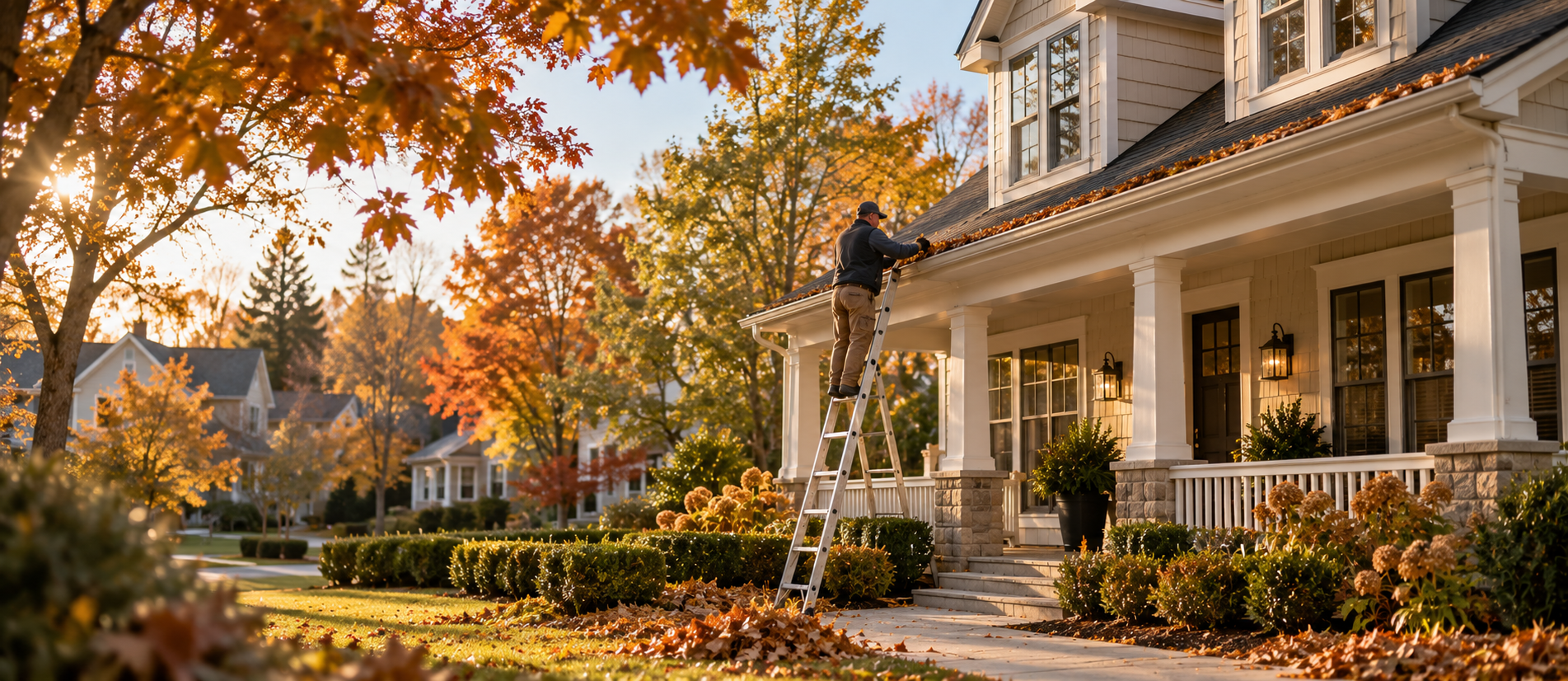
- Clean the gutters. Clogged gutters cause ice dams, where melting snow refreezes at the roof edge and backs up under shingles. The damage shows up weeks later as stained ceilings and soaked insulation.
- Trim the trees. Ice-loaded branches come down. Clear anything hanging over the roof, power lines, or the walkways your tenants use.
- Line up snow removal now. Decide who clears snow and ice, put it in the lease or a written agreement, and if you're hiring it out, book an insured service before the first storm, not after. Keep timestamped records of clearing; they matter if someone falls. More on the liability side below.
Winterizing the inside
- Service the heating system. Replace filters, have the furnace inspected before November, and consider the age of the unit: a heating failure in January is an emergency repair at emergency prices, and in most states it's also a legal problem (see heating laws below).
- Clean the fireplace and chimney. A blocked flue is a fire and carbon monoxide hazard, and a chimney cleaning costs a small fraction of your deductible.
- Insulate exposed pipes. Wrap plumbing in unheated spaces, basements, crawl spaces, attics, garages, with foam sleeves or heat tape. Frozen pipe claims commonly run $10,000 to $15,000 or more, and pipe insulation costs a few dollars per run.
- Seal outlets on exterior walls. Foam gaskets behind the plates block a draft source most landlords never think about.
If the property is occupied: put winter rules in writing
Tenants prevent more winter claims than landlords do, because they're the ones in the property when something starts. A short winter notice to tenants should cover:
- A minimum thermostat setting of 55 degrees, even when they travel. Tenants who turn the heat off to save money while away are one of the most common causes of frozen pipe claims, and a lease clause making the minimum explicit protects you both.
- Notice for absences longer than a few days, so someone can check the property.
- Where the main water shutoff is, and that calling you immediately is step one when a pipe bursts. How fast the water stops is often the difference between a repair and a claim.
- Space heater rules. Space heater fires are among the most severe winter claims. A lease addendum requiring modern units with tip-over shutoff, and prohibiting extension cords with heaters, is reasonable and enforceable.
If the property is vacant: the rules change
An empty property in winter needs more than the standard checklist, because nobody is there to catch a problem early and because your coverage may change once the property sits vacant past your policy's window, often 30 to 60 days.
- Either shut the water off or keep it moving. For a long vacancy, shut the main valve and drain the lines. For a short one, keep heat at 55 degrees or higher and open cabinet doors so warm air reaches the plumbing.
- Check the property every week or two, and photograph its condition. Documented visits matter both for catching problems and for claims.
- Know your vacancy window. Policies commonly restrict coverage for vandalism and certain other perils once a property has been vacant past the stated period. If your property will sit empty past it, call your insurer before the window closes. Our guide to vacant property insurance covers what changes and when, and if you're deciding whether to rent the property out over the winter instead, we've covered that too.
Who's responsible: snow, ice, and heat
Snow removal. In multifamily properties, landlords are generally responsible for clearing common areas. In single-family rentals, the lease can assign snow removal to the tenant, though many municipalities still hold the owner responsible for public sidewalks regardless of what the lease says. Check your local ordinance, assign the duty in writing, and keep records either way.
Heating laws. Many states and cities require rental properties to maintain minimum temperatures, commonly in the 65 to 68 degree range, during the heating season. A failed furnace isn't just a repair: it can breach the warranty of habitability, which generally obligates prompt repair, often within 24 to 48 hours. Worth knowing before the coldest week of the year: standard landlord policies generally do not cover a tenant's temporary housing after a mechanical furnace failure.
The insurance half of winterizing
Every task above maps to a claim it prevents, and winter is also when policy conditions matter most. Three things to confirm before the freeze: that your policy's liability limits fit the slip-and-fall exposure winter creates, that you understand your vacancy window if any unit will sit empty, and that sudden water damage is covered on the terms you expect. Policies cover sudden and accidental losses, not gradual leaks or neglect, so the maintenance itself is part of keeping your side of the agreement.
A winterized property is cheaper to insure against than an unprepared one is to repair. If it's been a while since you looked at your coverage, winter is a good reason.